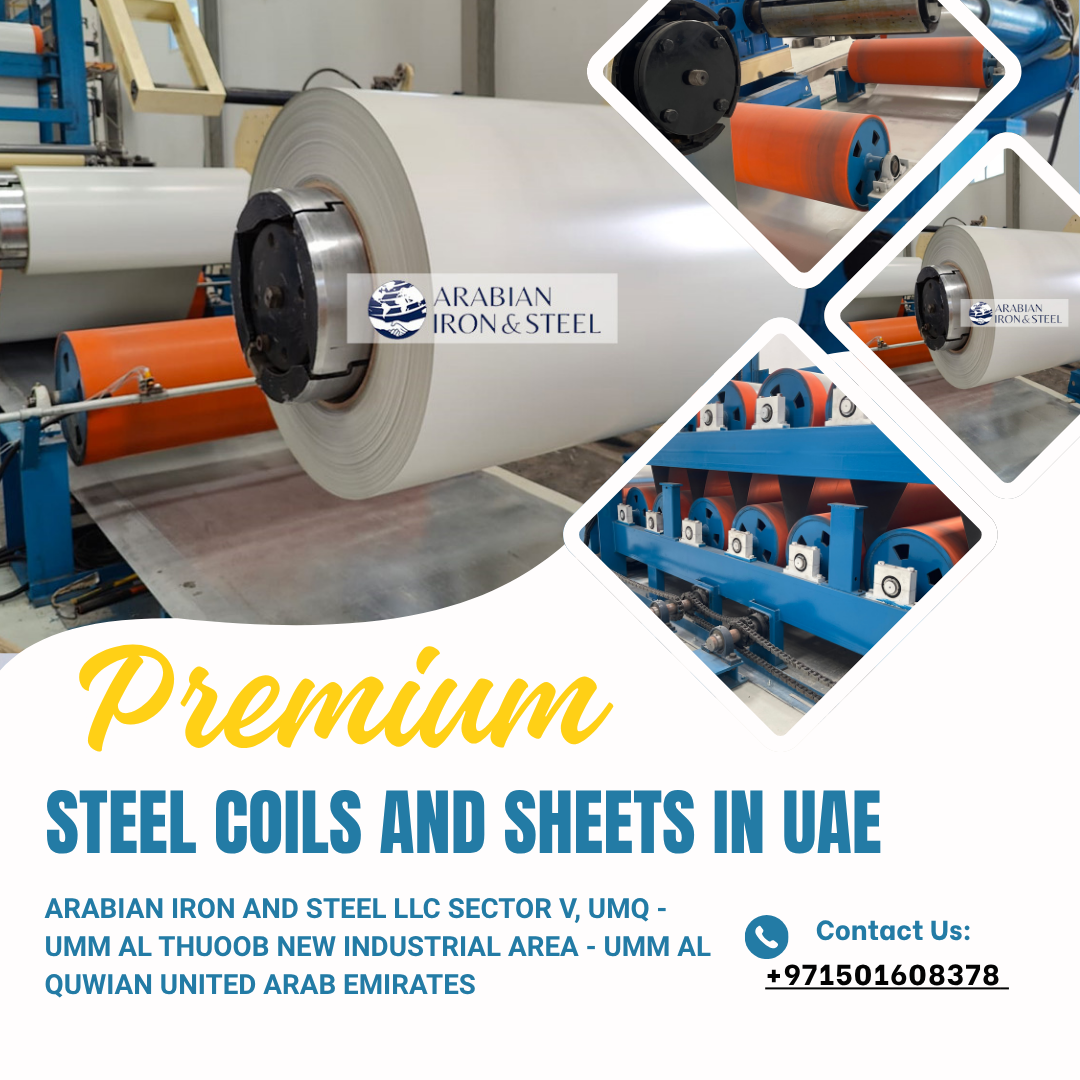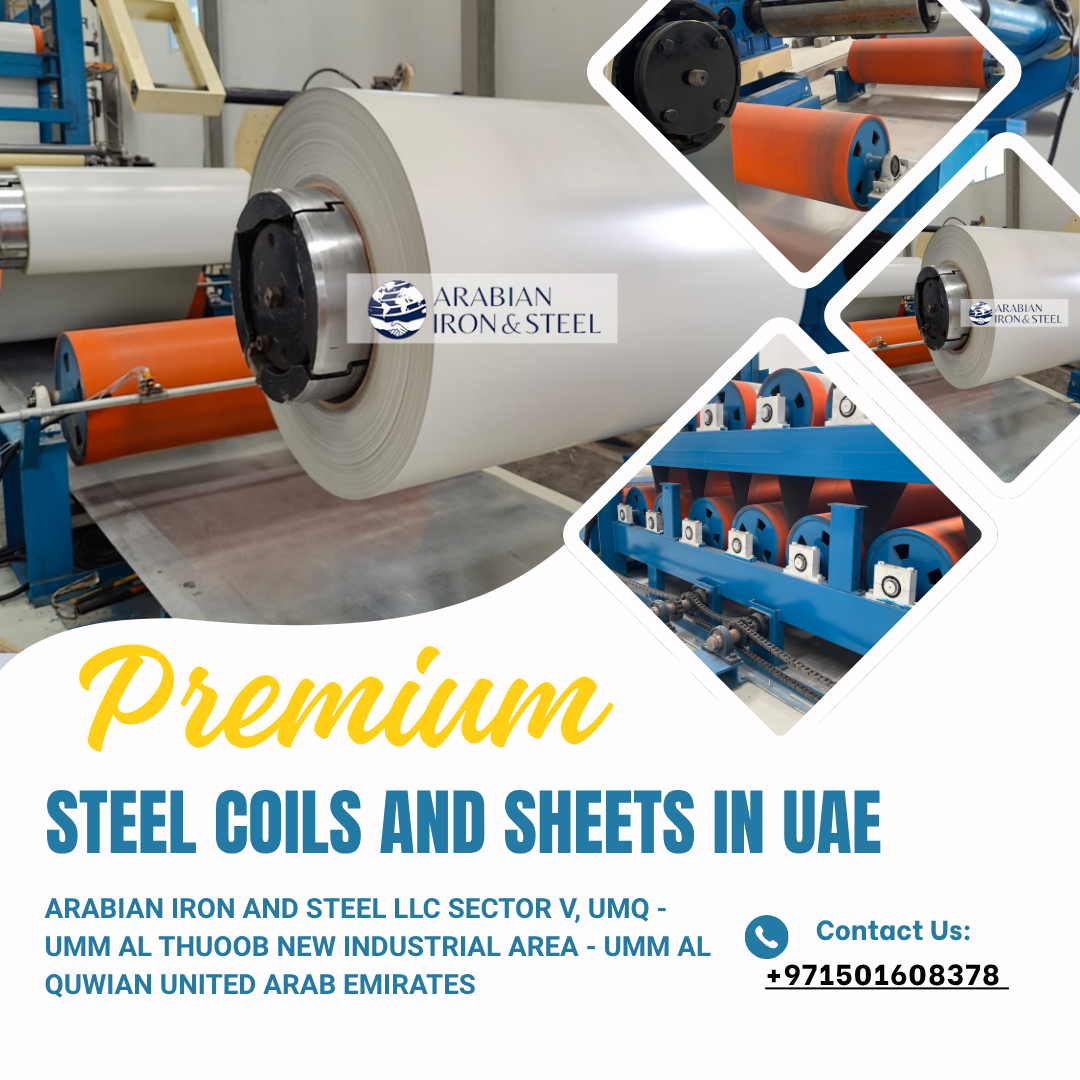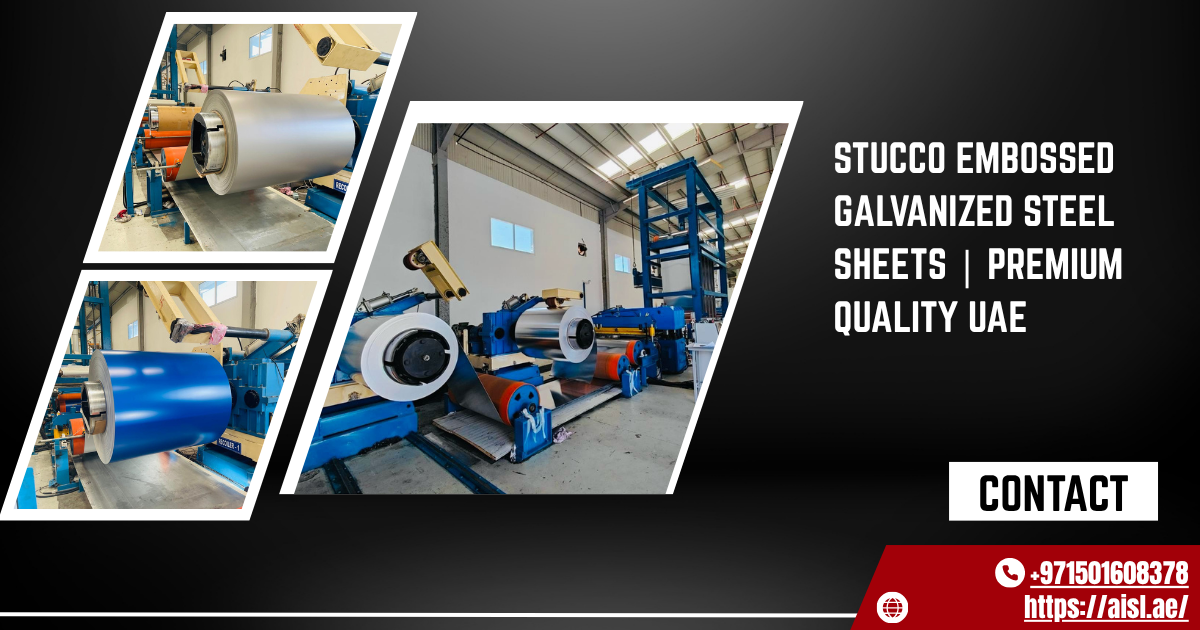
Steel is widely used across industries because of its strength, durability, and versatility. One specialized form of processed steel that has gained popularity in industrial and architectural applications is stucco embossing steel. This material combines the durability of steel with a unique textured surface that improves both performance and appearance.
Companies like Arabian Iron and Steel LLC provide high-quality stucco embossed steel products to meet the needs of construction, HVAC, insulation, and manufacturing industries.
What is Stucco Embossing Steel?
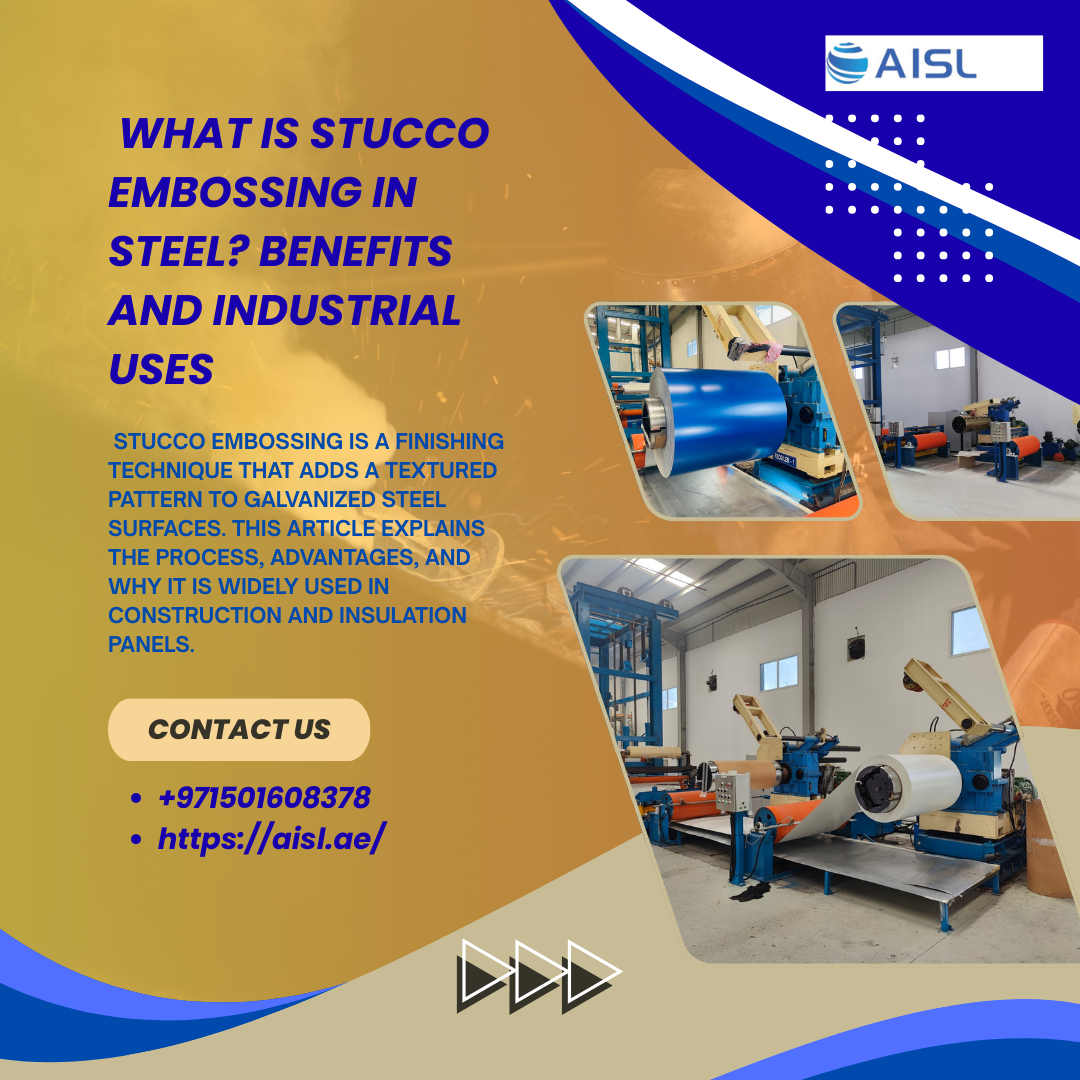
Stucco embossing steel refers to steel sheets or coils that have been processed with a patterned texture through an embossing process. During manufacturing, the steel passes through rollers that imprint a consistent textured pattern on its surface.
The resulting finish resembles the rough texture of stucco plaster, which is where the name originates.
This embossed pattern not only enhances the visual appearance of the steel but also improves its performance in certain industrial applications. The textured surface helps reduce glare, increases rigidity, and provides better scratch resistance compared to smooth steel sheets.
Suppliers such as Arabian Iron and Steel LLC offer stucco embossed steel in different thicknesses and specifications to meet the varying requirements of industrial projects.
Key Benefits of Stucco Embossing Steel
1. Improved Durability
One of the major advantages of stucco embossing steel is its enhanced durability. The textured surface helps hide minor dents and scratches, making it ideal for environments where materials are exposed to regular handling or external impact.
2. Better Strength and Rigidity
The embossing pattern increases the rigidity of the steel sheet. This means the material can maintain structural strength without requiring excessive thickness, which can reduce material costs in some applications.
3. Reduced Surface Reflection
The embossed texture reduces glare by scattering light rather than reflecting it directly. This makes the material suitable for both indoor and outdoor installations where strong reflections could be a concern.
4. Corrosion Resistance
When combined with protective coatings such as galvanization, stucco embossed steel provides excellent resistance to corrosion. This makes it suitable for humid or harsh environments often found in industrial settings.
5. Attractive Appearance
The decorative texture of stucco embossed steel gives it a visually appealing finish. Because of this, it is often used in architectural applications where both performance and aesthetics are important.
Industrial Uses of Stucco Embossing Steel
Thanks to its strength and durability, stucco embossing steel is used across several industries. Some of the most common applications include:
HVAC and insulation systems:
Stucco embossed steel is widely used in insulation jacketing for ducts, pipes, and industrial equipment.
Refrigeration equipment:
The textured steel is often used in refrigeration units and cold storage systems due to its durability and resistance to environmental conditions.
Interior and exterior cladding:
The decorative texture makes it suitable for wall panels and architectural finishes.
Industrial panels and enclosures:
The material is commonly used for machine covers, protective panels, and equipment housings.
Leading suppliers like Arabian Iron and Steel LLC provide reliable stucco embossed steel products that meet the technical demands of these industries.
Conclusion
Stucco embossing steel is a highly functional material that offers both durability and aesthetic appeal. Its textured surface improves strength, reduces glare, and enhances resistance to wear and tear. Because of these advantages, it has become an essential material in construction, insulation, refrigeration, and industrial manufacturing.
With experienced suppliers such as Arabian Iron and Steel LLC, businesses can access high-quality stucco embossed steel that meets the performance requirements of modern industrial applications.