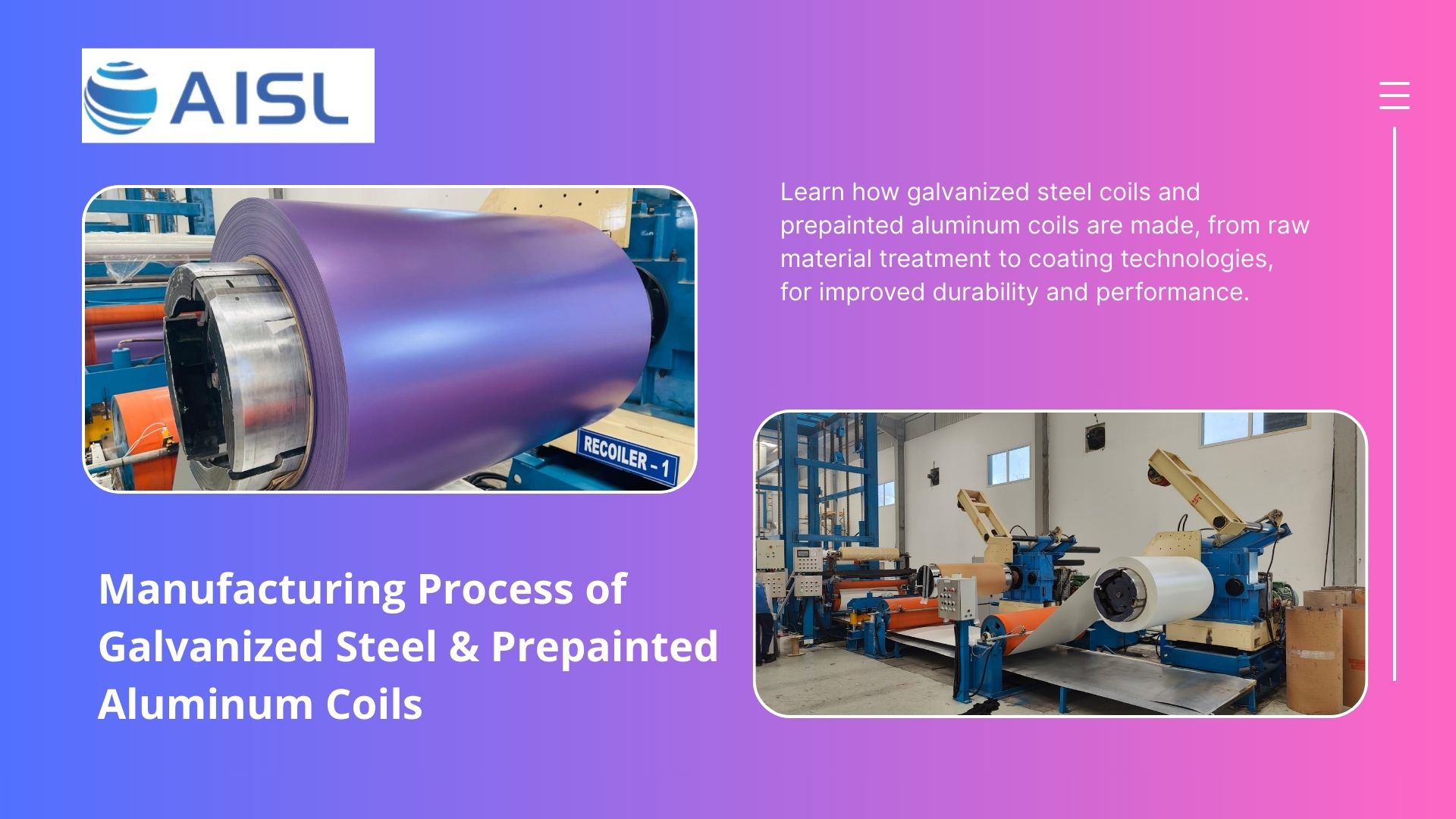
In the world of modern construction and industrial manufacturing, metal coils play a vital role. Among the most widely used materials are the galvanized steel coil and the prepainted aluminum coil, both of which offer exceptional durability, versatility, and performance. The process of how these coils are manufactured helps us appreciate the technology, precision, and quality control that go into making them reliable for various applications.
1. What is Galvanized Steel Coil
A galvanized steel coil is steel coated with a layer of zinc to protect it from corrosion. This manufacturing process is designed to improve the metal’s lifespan, especially in environments exposed to moisture, chemicals, or harsh weather.
Raw Material Preparation
The process begins with large steel sheets or slabs. These are cleaned thoroughly to remove dirt, oil, and scale. Proper cleaning is essential to ensure that the zinc coating bonds smoothly and evenly to the steel surface.
Hot-Dip Galvanizing
The cleaned steel passes through a molten zinc bath at high temperatures. As the steel emerges from the bath, zinc reacts with the surface to form strong alloy layers. This is what gives the galvanized steel coil its exceptional corrosion resistance.
Cooling and Quality Testing
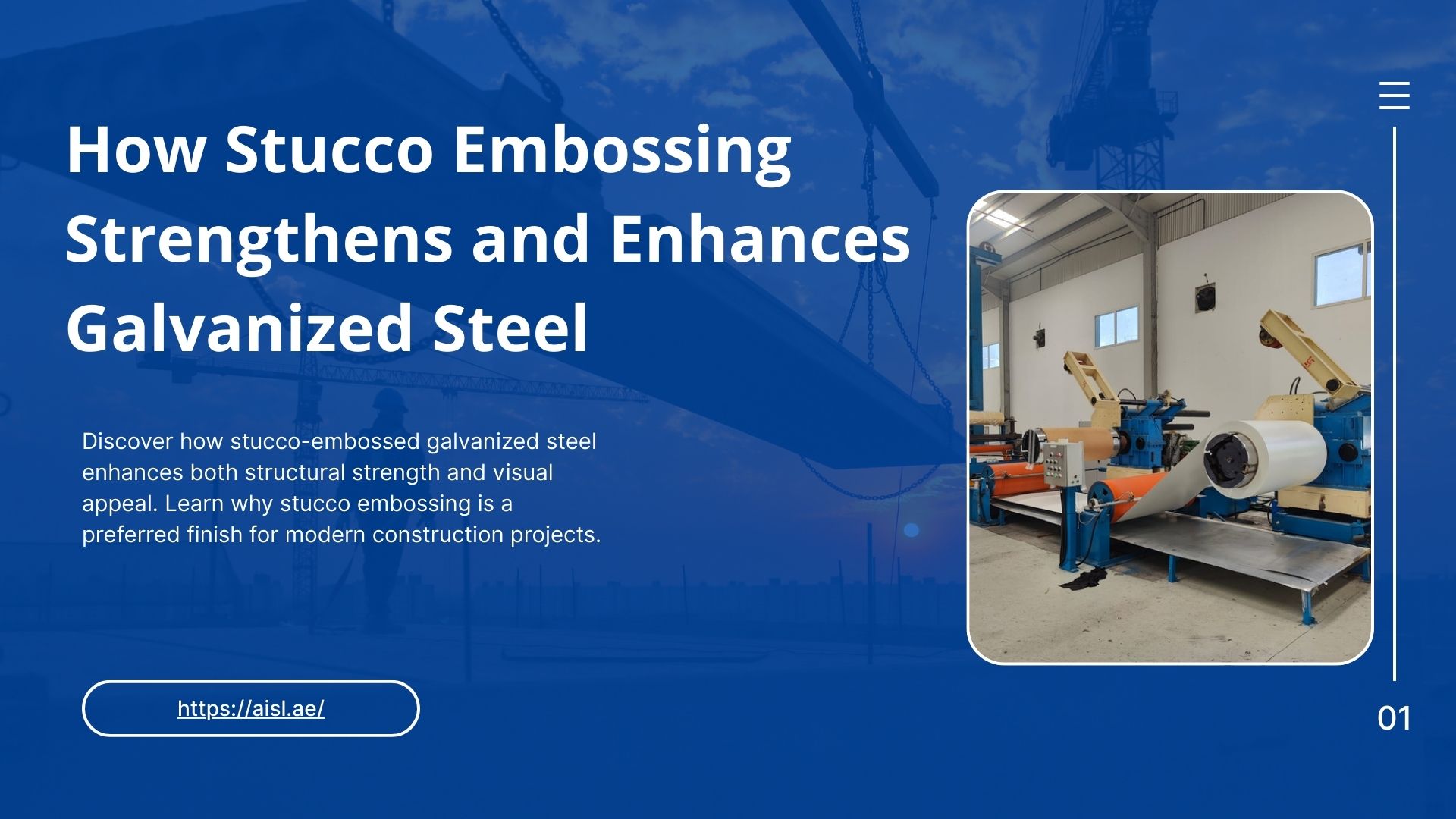
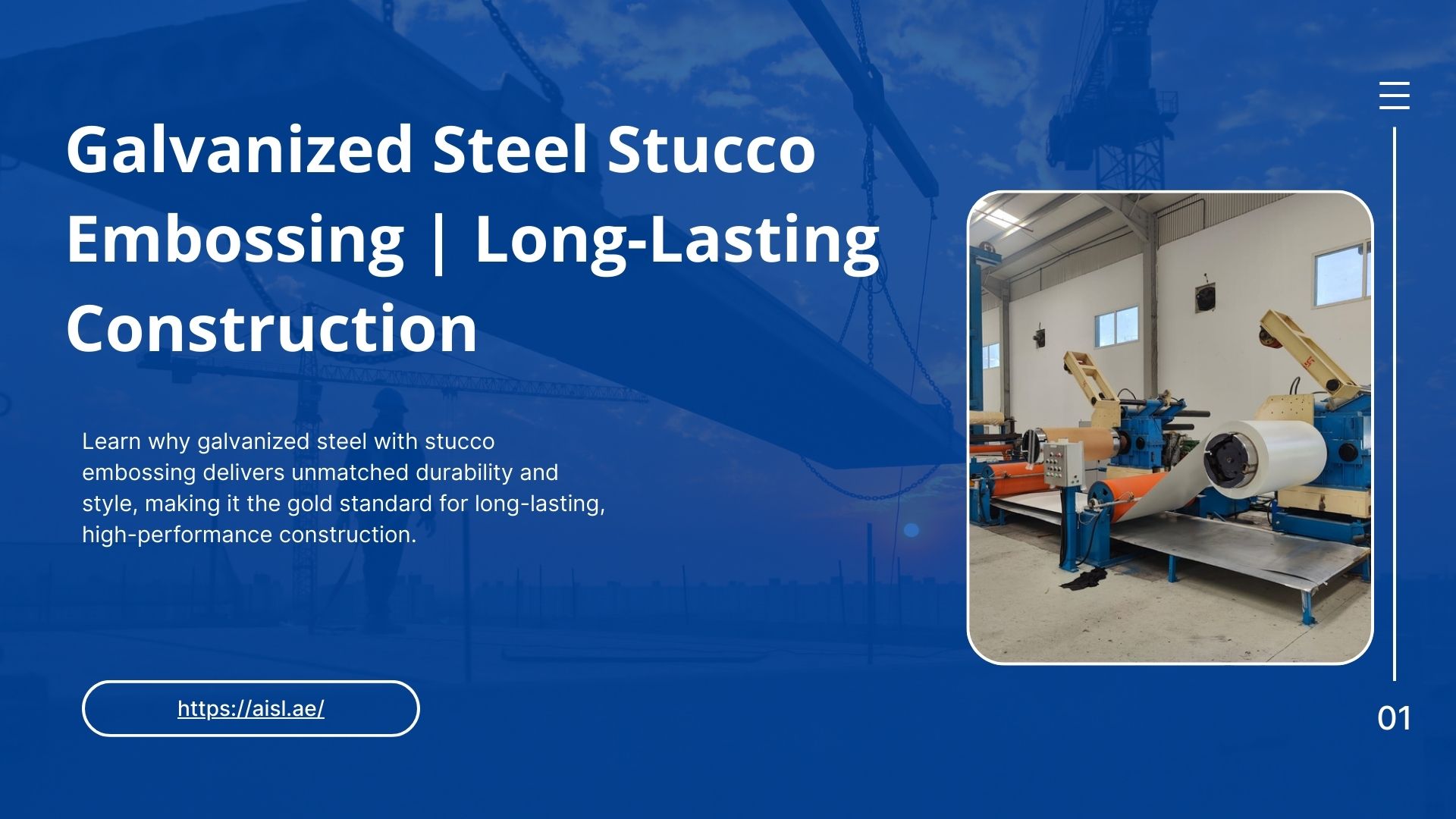
After coating, the steel is cooled, inspected, and rolled into coils. Quality checks are performed to verify thickness, coating uniformity, and overall surface quality. This final coil is ready for use in roofing, automotive parts, HVAC systems, and structural applications.
2. Manufacturing Process of Prepainted Aluminum Coil
A prepainted aluminum coil undergoes a different process focused on applying color-coated layers to aluminum sheets. This enhances appearance, weather resistance, and functionality.
Aluminum Coil Cleaning & Pretreatment
The raw aluminum sheet is first degreased and chemically treated. Pretreatment improves paint adhesion and ensures the surface is free of impurities.
Primer and Paint Coating
Next, the aluminum passes through rollers where a primer coating is applied. Then, it goes through another coating process for the top paint layer, often using durable polyester, PVDF, or polyurethane paints. The multiple layers make the prepainted aluminum coil ideal for exterior cladding, interiors, panels, and decorative applications.
Baking and Curing
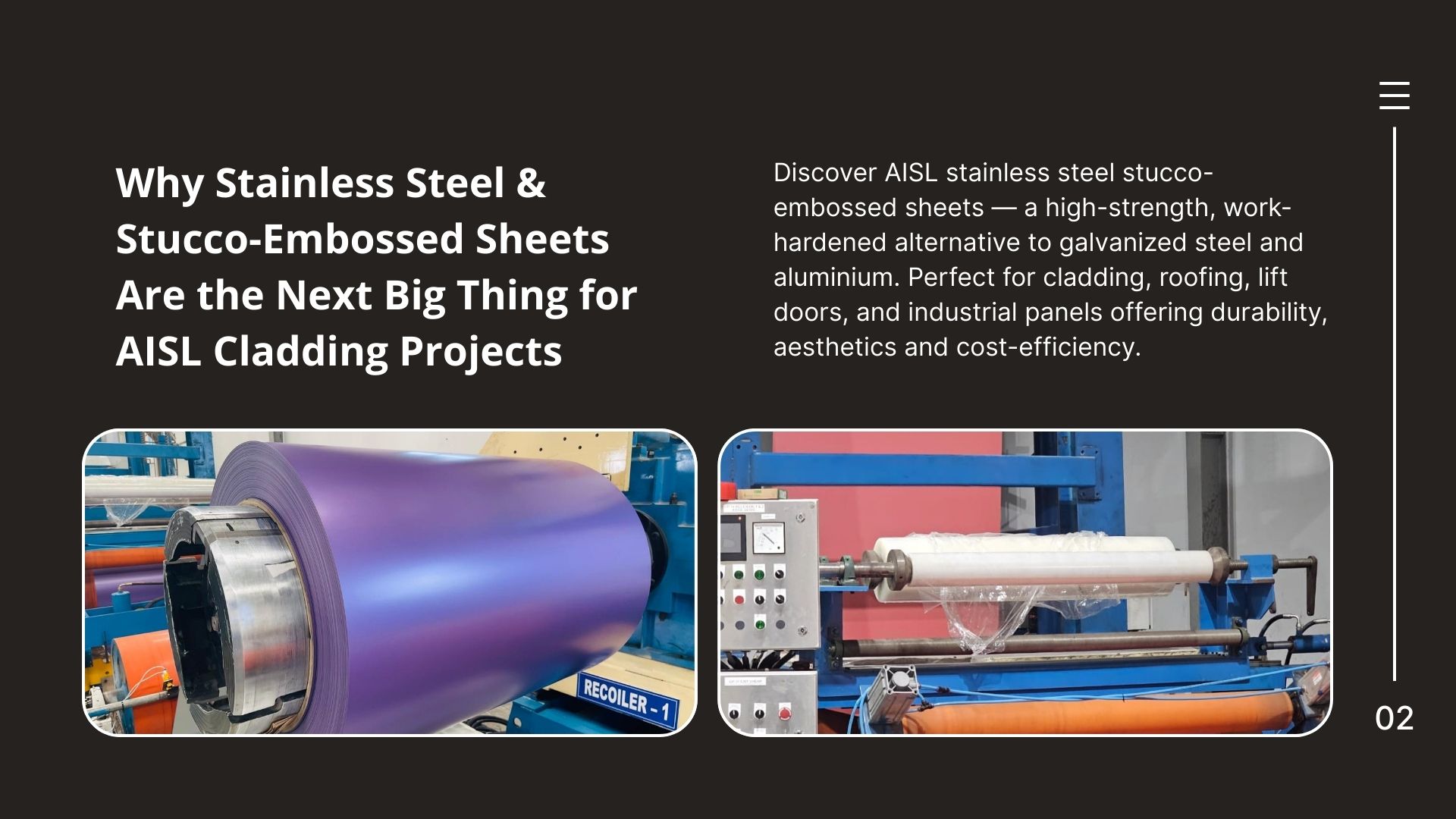
After painting, the coil runs through an oven that cures the paint at high temperatures. This step ensures that the color remains long-lasting and resistant to fading, corrosion, and scratches.
Cooling and Rewinding
Once cured, the coil is cooled and rewound. Strict inspections check color uniformity, thickness, and gloss level before the product is ready for markets such as construction, signage, appliances, and furniture manufacturing.
3. Why These Coils Are Important
Both the galvanized steel coil and the prepainted aluminum coil play a critical role in modern manufacturing and construction because they offer the ideal balance of durability, functionality, and visual appeal. The galvanized steel coil provides superior corrosion resistance thanks to its zinc coating, making it suitable for structures exposed to moisture, chemicals, and extreme weather. Its strength and long life span make it a reliable choice for roofing, automotive components, industrial machinery, and HVAC systems. On the other hand, the prepainted aluminum coil stands out for its lightweight nature, excellent formability, and vibrant painted finish, which allows it to be used in architectural cladding, interior panels, appliances, and signage. Both materials are easy to transport, install, and maintain, reducing project costs and enhancing efficiency. Their combined performance benefits—rust resistance, attractive appearance, and long-term durability—make these coils indispensable across a wide range of global industries.
Conclusion
The manufacturing of galvanized and prepainted coils involves advanced technology, precise coating techniques, and strict quality control. Whether it’s the corrosion protection of a galvanized steel coil or the vibrant finish of a prepainted aluminum coil, each product plays a crucial role in modern industrial and construction applications.