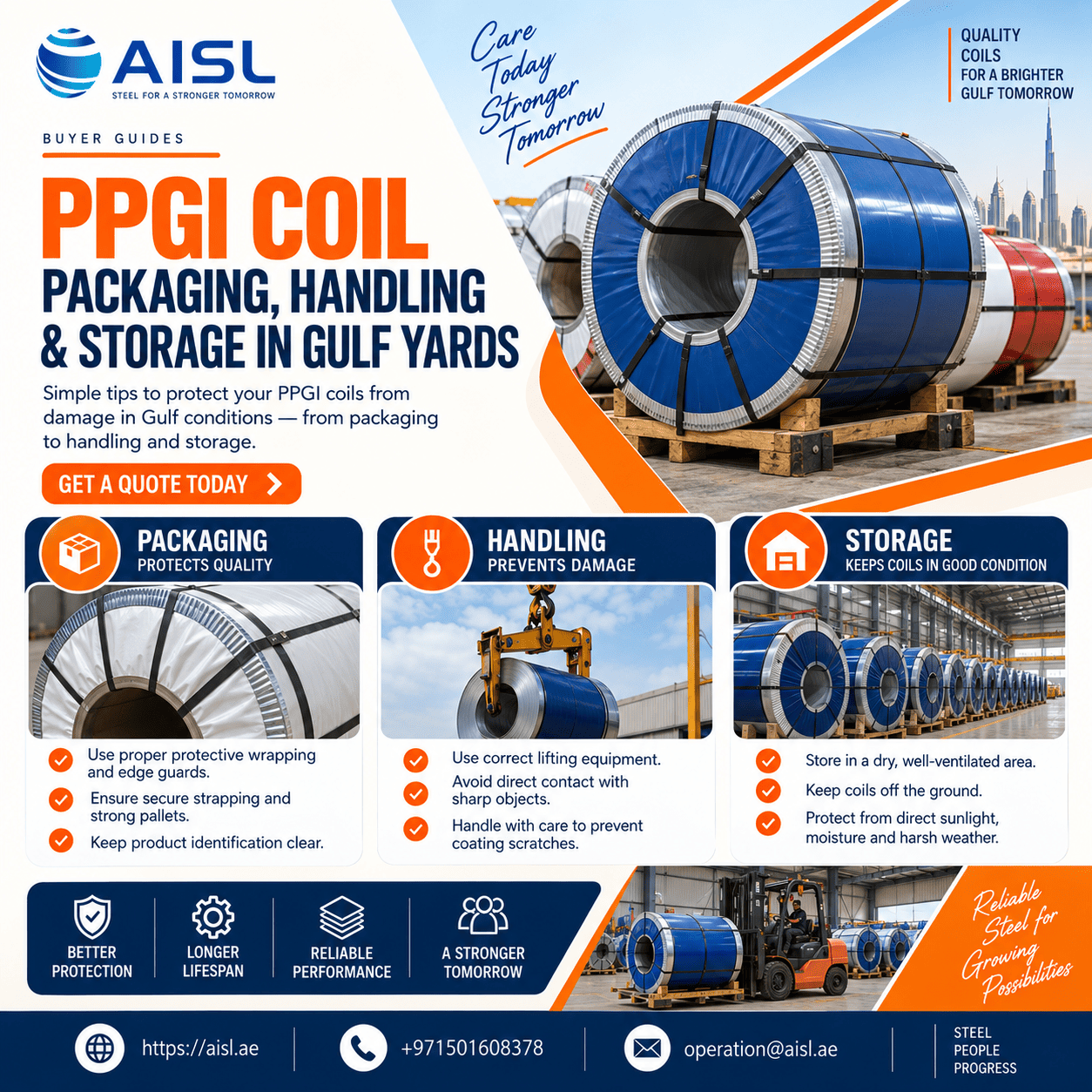
This guide explains what the Z rating actually measures, how it compares to GSM, and how to choose the right class for your application.
What the "Z" Number Actually Means
The Z rating refers to the total mass of zinc coating applied to both sides of a steel sheet, measured in grams per square metre (g/m²), under standards such as ASTM A653 and EN 10346. So a Z275 coating carries roughly 275 grams of zinc spread across both surfaces of the sheet combined, while a Z80 coating carries only 80 grams. The higher the number, the thicker the zinc layer, and the longer the steel resists corrosion before the base metal is exposed.
This is functionally the same measurement referred to as GSM (grams per square metre) in some regional markets and datasheets — Z275 and 275 GSM describe the same coating weight, just using different naming conventions common to different standards bodies.
Why Coating Weight Determines Service Life
Zinc protects steel in two ways: it forms a physical barrier against moisture and oxygen, and it sacrificially corrodes before the steel itself does, even at cut edges and minor scratches. A thicker zinc layer simply takes longer to wear through, which directly extends the number of years before red rust appears.
In humid or coastal conditions — common across the UAE coastline and Gulf port areas — this matters more, since salt-laden air accelerates the corrosion process considerably faster than it would in a dry inland environment.
Z80 — Light-Duty, Indoor, and Short-Term Use
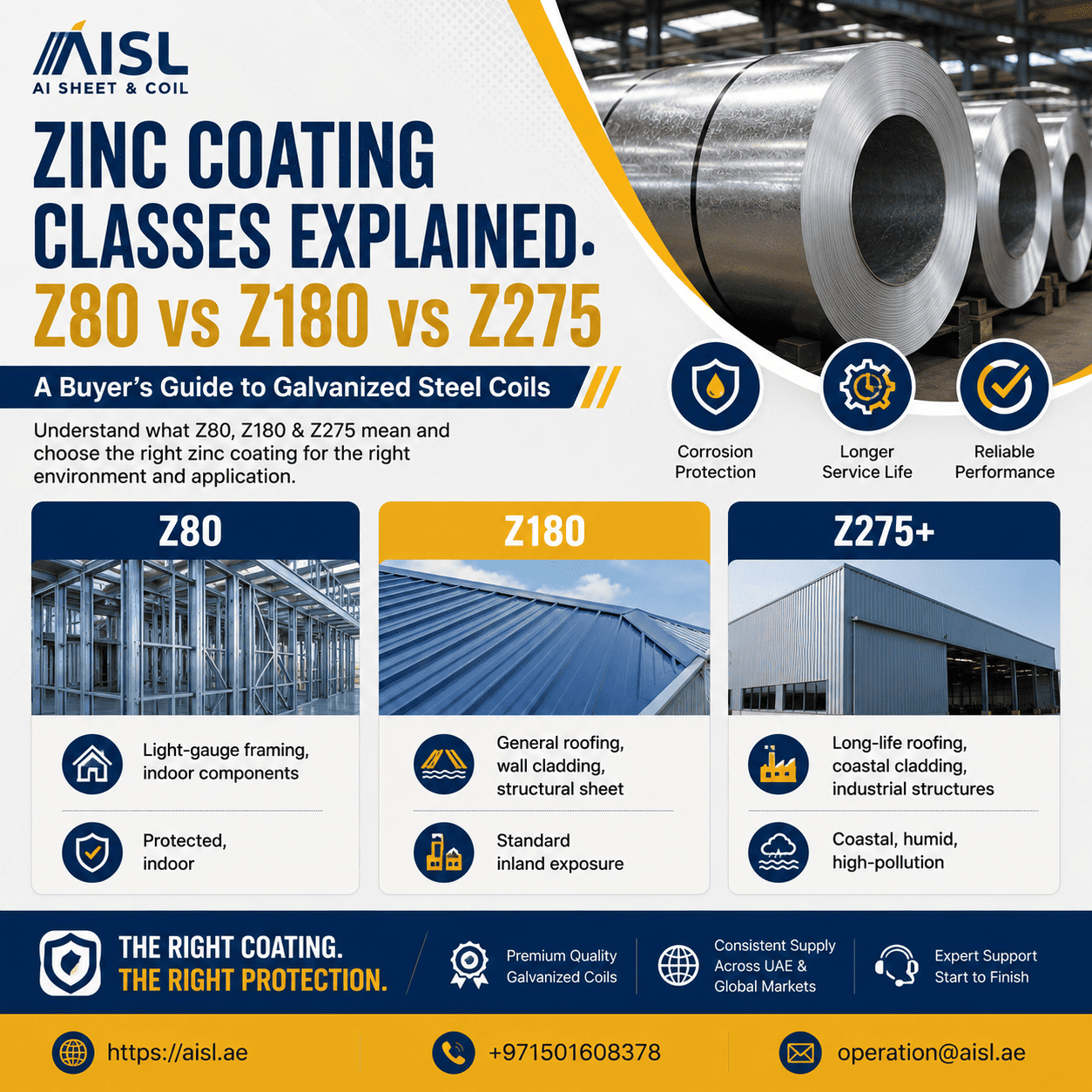
Z80 (approximately 80 g/m²) is a lighter coating class typically used for indoor applications, light-gauge steel (LGS) framing, and components not directly exposed to weather. It costs less per tonne than heavier classes, making it a reasonable choice where the steel is protected from rain, humidity, and direct sun — for example, internal wall framing or non-structural interior components.
Using Z80 outdoors or in coastal conditions is a common cost-cutting mistake that leads to premature corrosion, often within just a few years rather than the decades expected from properly specified coated steel.
Z180 — General Construction and Moderate Exposure
Z180 sits in the mid-range and is widely used for general roofing, wall cladding, and structural components in standard inland construction. It offers a meaningful step up in corrosion resistance over Z80 while remaining more cost-efficient than the heaviest coating classes, making it a common default for warehouses, sheds, and industrial buildings away from direct coastal exposure.
Z275 — Heavy-Duty, Coastal, and Long-Design-Life Projects
Z275 (or higher, in some specifications up to Z350 and beyond) is specified for structures expected to perform for 20+ years, particularly in coastal, high-humidity, or industrial-pollution environments. This is the class most commonly recommended for roofing and cladding on projects along the UAE coastline, Gulf port facilities, and any structure where re-coating or early replacement would be costly or disruptive.
The additional zinc cost is generally a small fraction of total project cost, but the extended service life and reduced maintenance make it the more economical choice over the building's lifetime.
Choosing the Right Class: A Quick Reference
| Coating Class | Typical Use | Environment |
|---|---|---|
| Z80 | Light-gauge framing, indoor components | Protected, indoor |
| Z180 | General roofing, wall cladding, structural sheet | Standard inland exposure |
| Z275+ | Long-life roofing, coastal cladding, industrial structures | Coastal, humid, high-pollution |
Matching the coating class to the actual exposure conditions — rather than defaulting to the cheapest option — is the single most effective way to control long-term maintenance cost on a construction or fabrication project.
Verifying Coating Class Before You Buy
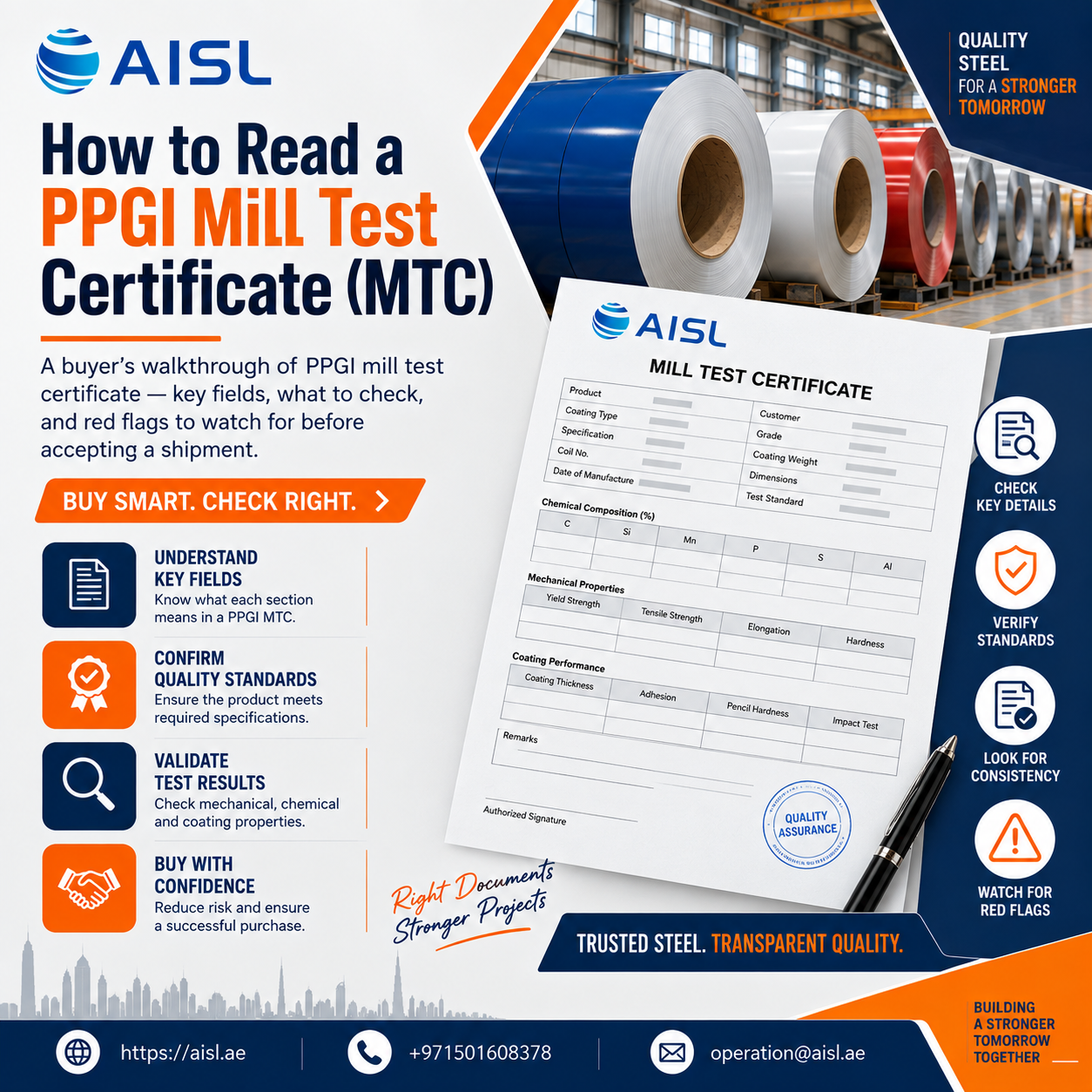
The Z rating printed on a datasheet is only meaningful if it matches what is actually applied to the coil. Before confirming an order, request a mill test certificate confirming the tested coating weight for that specific batch, not a generic figure copied across every product listing. This is especially important for coastal or long-design-life projects, where an underweight coating can mean visible corrosion years ahead of schedule.
Zinc Coating You Can Verify, Batch After Batch
Arabian Iron and Steel LLC (AISL) manufactures GI, PPGI, and PPAZ coils at our Continuous Color Coating Line in Umm Al Quwain, UAE, with zinc coating classes from Z80 up to Z275 and beyond, matched to your project's exposure requirements. Every batch is fully traceable, with mill test certificates confirming actual coating weight available on request.
If you are unsure which coating class fits your next project, contact our team for a specification recommendation and current quote.